
By Kalevi Kaukonen
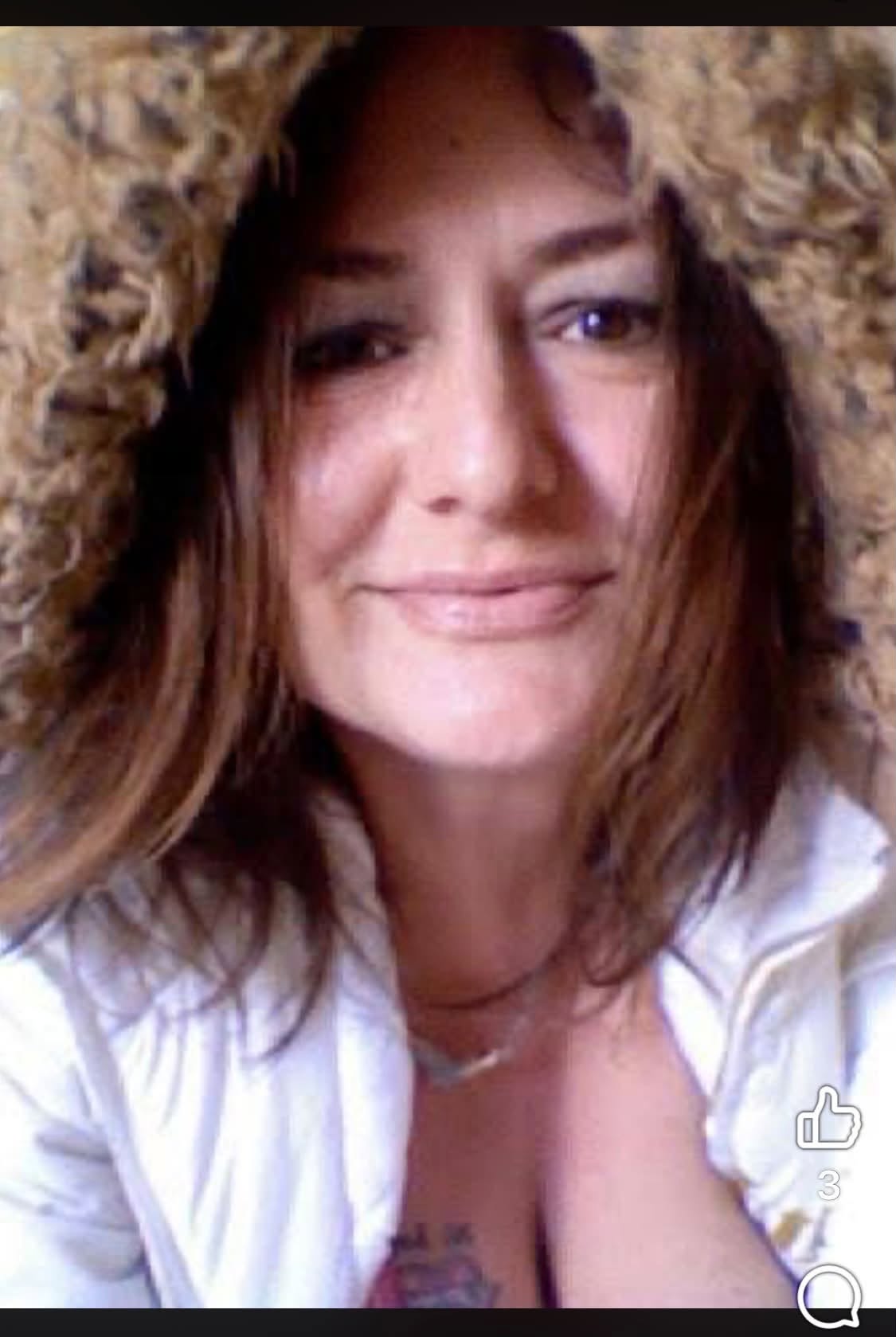
On April 8, 2026, Tammy Manzanilla was arrested for public intoxication and transported to the Marin County Jail. Three days later, after Manzanilla was transferred to a county-owned hospital, she died as a result of medical neglect while she was in custody, her family alleged in a wrongful death and civil rights lawsuit last month.
At around 1:30 p.m., one half-hour following her arrest, she was locked in a sobering cell where she languished for over 12 hours while receiving unprofessional medical check-ins. According to the sheriff’s office sobering cell log sheet that Tammy’s sister, Amy Barry, requested, it logged in 95 entries on Tammy’s behavior—23 of which registered her actions as an outburst of “screaming” or “yelling.”
Tammy’s condition deteriorated over the hours she spent in the sobering cell.The following day, she was removed from the cell around 8:30 a.m.. Before seeing a nurse at around 8:45 a.m., Tammy was first subjected to fingerprints and a mugshot. As her health continued to decline, County Jail employees ultimately arranged for her transfer to MarinHealth Medical Center.
Following the decision to discharge her, she arrived at the medical center around 9 a.m. It wasn’t until 9:30 a.m., around 20 hours after her initial booking, that she received her first blood draw. For the next two days, her condition continued to worsen at the hospital, where she remained until she died on April 11 around 1:10 a.m. Tammy, who was 54, was accompanied by her three adult children and her sister, Amy Barry.
Since the County Jail discharged Tammy from their facility before her admission into Marin General Hospital, Tammy’s death wasn’t recorded in the Marin County Jail’s database, and if the jail was no longer technically responsible, Tammy’s family maintains the jail should be held accountable. They assert that Tammy’s delayed prioritization of medical care by the Central Marin Police Authority, which has jurisdiction over the County Jail, led to her death.
On July 29, Tammy’s family filed a tort claim against the county and Police Authority at the Marin County Civic Center in San Rafael, then held a small press conference outside of the Civic Center. Katherine Miniaci-Wesley, Tammy’s daughter, spoke of her mother’s character and how her own child, who was born four days after Tammy’s death, will grow up without a grandmother. Angel Miniaci, Tammy’s son, spoke of injustice and of institutional malpractice in both jails and prisons. Amy Barry described Tammy’s history. She recounted Tammy’s abuse as a child, her invisibility within the foster care system, of the mistakes she had made leading to her substance use and repeated incarcerations on drug-related charges, but ultimately, how the very services meant to rehabilitate and protect left her unseen and unheard.
“She made her fair share of mistakes,” Barry said. “She was dealt a bad hand from the get-go.” Tammy’s extensive record reportedly made her well-known at County Jail. Ultimately, her stints of getting off illicit drugs were unsuccessful. She missed the opportunity to reconcile with loved ones, as well as the chance to plant a seed of hope in those enduring similar struggles who are looking to heal. Part of that healing looks to destigmatize a struggle that has long been individualized.
Fragment of a Larger Pattern
Stories like Tammy’s highlight how incarceration doesn’t make anyone less human, and how addiction doesn’t make one’s struggles less real. The criminalization of drug use and poverty is a systemic failure that leaves vulnerable individuals more likely to become institutionally marginalized. It creates an American undercaste, where those suffering with substance use disorder and homelessness exist invisibly.
An increasing reliance on a law enforcement response to behavioral health has inflated jail and prison populations, such that the nation’s largest mental health providers are the county jails in Los Angeles, Chicago and New York City. Although Marin County Jail’s population has remained stagnant, inmates remain vulnerable due to the lack of licensing that ensures civil addiction treatment. Barry later told Street Sheet that the county, not an outside agency, investigated the circumstances surrounding Tammy’s death.
The scarcity of equitable infrastructure at the Marin County Jail is heavily influenced by the decision to bury the jail underground, which renders nearly impossible any economical option to expand the Civic Center complex for the sake of implementing remedial facilities.
Within existing facilities, the Marin County Jail promotes the well-being and safety of inmates through programs with Marin County Health and Human Services. While this interdepartmental collaboration exists on paper, the execution and tangibility of clinical-grade rehabilitation is not part of a jail’s design. Civilian health clinics and hospitals prioritize patient care and recovery. A jail environment, such as the Marin County Jail, prioritizes security and public safety in accordance with state policy. Although California’s policy looks to regulate carceral healthcare, its required standards revolve around attempts of short-term stabilization. Thus, inmates undergoing medical crises are left vulnerable in their cell and in the time it takes to transport to the nearest hospital.
Furthermore, rationalizing mass incarceration and the criminalization of drug use and a carceral state on the belief that it will rid our nation of “criminals” maintains the belief that “criminals” are an abnormal group that exists separately from us, and therefore do not deserve our care or investment into their equity. Yes, incarcerated people make mistakes, but so do the authorities who are entrusted with and establish their care. The Central Marin Police Authority’s decision to avoid accountability has evidently allowed them to maintain a clean public image.
Tammy Manzanilla was one of many ensnared in a system that keeps most faceless. She was a survivor of abuse and neglect in the foster care system, a person who struggled with substance use disorder and fell to recidivism in the criminal justice system. But she was also a mother to three kids and a sister to two siblings.
Change will be needed to produce accountability, whether it’s in the criminal justice system or public health, according to Barry. “There is a lot that needs to be done,” she said. “All these agencies really need to have some more concrete communication amongst different entities.”
CORRECTION: In an earlier version of the story, the time of Tammy Manzanilla’s death was inaccurately given as 1:10 p.m. Also, the time of Tammy’s hospital stay was two days, not three as originally published.