interview by River Beck
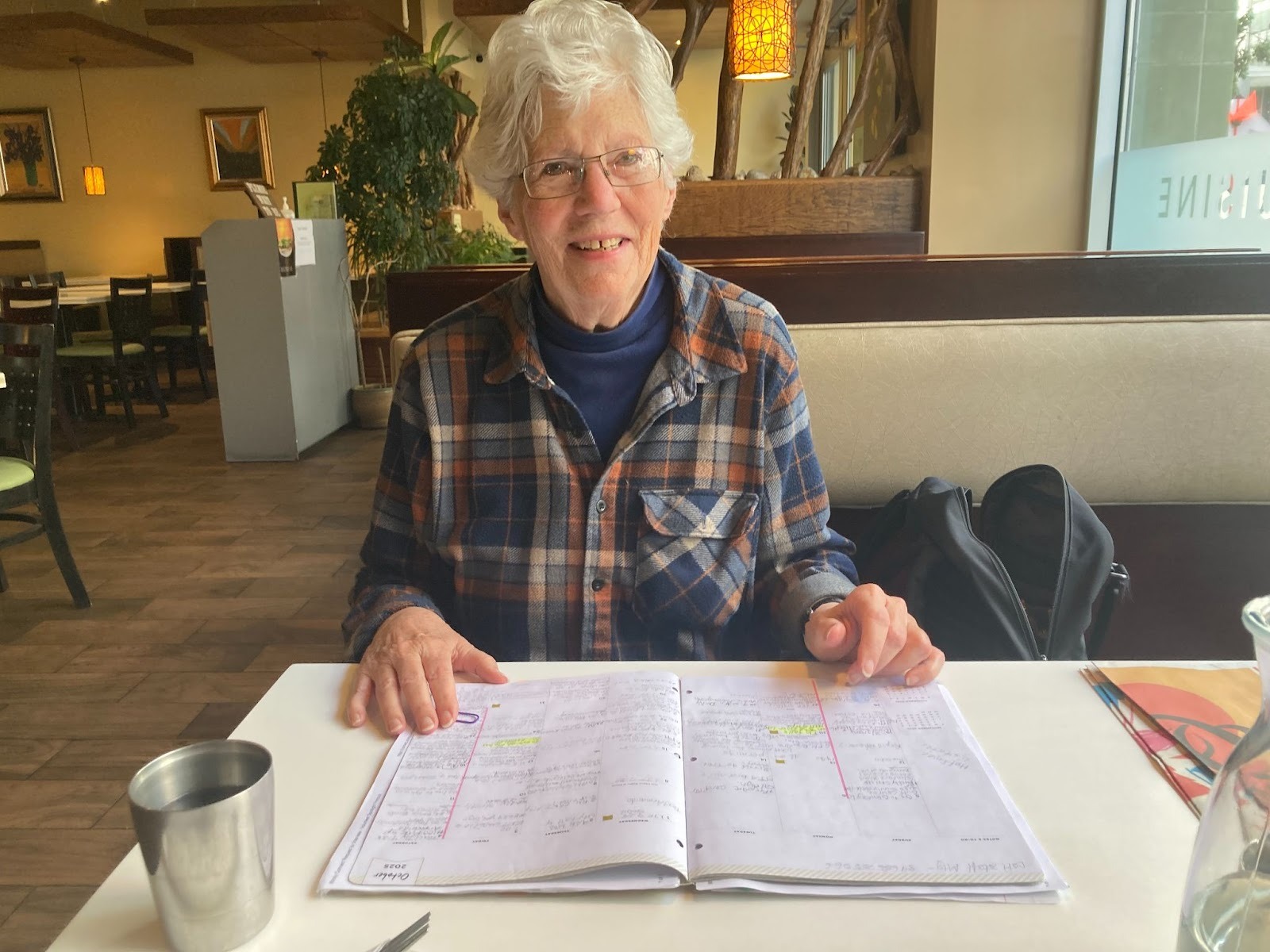
The Coalition on Homelessness relies on the dedication of many incredible volunteer organizers and activists. One organizer in particular, through her consistent and in-depth commitment to San Franciscans experiencing homelessness, has inspired us. She has highlighted the need to more visibly recognize the diverse strengths that volunteers bring to our Human Rights and Housing Justice Working Groups. Thank you, Flo, for your dedication and how you continuously inspire us. River sat down with Flo to get to know her, and to offer our appreciation.
Tell us a little about your background, Flo?
I lived in D.C. and was working at Walter Reed Army Hospital in the pediatric ward as a visiting teacher of children who were temporarily unable to attend their schools. I walked past adult wards, and saw a Vietnam veteran with his head and torso and no limbs. I was so alarmed that I worked with other vets and young men of the age of being drafted into the military. We wrote copy machine produced newsletters, urging young men to stay away from the military and from Vietnam. One day, I put newsletters under the windshield wipers of the many cars parked at Walter Reed Army Hospital. The FBI followed me around after that.
In D.C. April and May of 1971 the Vietnam War protests increased as the vets threw their badges and awards, etc. on the steps of the U.S. Capitol. After seeing the city’s military-grade defenses to be used against unarmed civilians, on May 4, I was convinced to join thousands of protesters with the goal of stopping government workers from being able to arrive at work. People from various cities were assigned to block traffic on various roadways/bridges. I was alert to having an escape route in the matrix of the city blocks, so that I would not be arrested.
My son and I moved to San Francisco in the summer of 1971, and I’ve been here ever since. I worked with the United Farmworkers Union, encouraging people to boycott stores that were selling Gallo wines and produce that did not have the UFW label. We were successful in getting some land owners to sign contracts with the UFW.
I joined my neighbors and friends visiting prisoners in Vacaville, as a group, in the prison’s Catholic chapel, and we outsiders listened to and spoke with the insiders about many of the changes going on in the ‘70s—like the women’s movement, and providing some support for the folks who were released.
Most of my employment in SF was in early childhood education. Then from 1989 to 2005, I was a special education teacher in the San Francisco public schools, and then a substitute teacher. When I retired from substituting, I promised myself to not step over another person who is sleeping on the sidewalk. Rather, I needed to do something about people’s lack of a home.
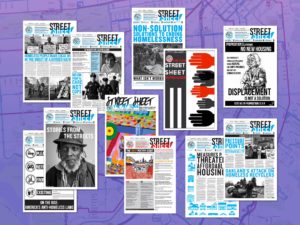
I read many Street Sheets and found an invitation to attend the Human Rights Work Group meeting on Wednesdays at 12:30 p.m. I checked it out and here I am.
What has helped you be a strong organizer? Or your advice on being one?
Work on what really endears YOUR heart—just go for it! And don’t feel like you have to do everything. Make sure you are doing outreach and that your information is informed by the community itself. And then speak that truth loudly at City Hall during public comment, it matters that we show up. For meetings, I like being at meetings in person. For me, it’s easier to hear but also to connect and understand. And to build friendships and relationships.
Why do you organize with the COH?
I truly appreciate that the COH is working on homelessness policy. As one person, I can accomplish some forward movement, but as part of a group that organizes folks who are with and without traditional homes, and collaborates with other nonprofits and people who are members of the City government, we can go forward together, accomplishing more.
I appreciate that the Coalition on Homelessness focuses on policy, which is so important. The City’s policies hugely affect the unhoused folks—regarding housing, shelter and supportive services. I like to work on policy—to get at the root of addressing the issues.
Also, I appreciate the dedication of the staff of the COH. I learn from them, and they inspire me.
I wouldn’t do this kind of thing if I weren’t with the COH. I know you have my back, even if I got arrested. We need each other.
Any final words to leave us inspired?
Yes, question authority! And please come join us.